
Heermann's Gulls look distinctly different from other gulls. While most gulls could be described as rather generic with their white-and-gray plumage, Heermann's Gulls are more distinctive. They present a sleek, smoky-gray look that makes them stand out on any beach, as they are the only white-headed (during breeding season), gray-bodied gulls found on the west coast of North America.
The bill of a Heermann's Gull is bright red often tipped with a tiny bit of black. One would be forgiven for thinking that they look like they’ve applied an ample coat of high-gloss lipstick.
Like many gulls, Heermann's Gulls nest in colonies on the ground. They build their nests very close to other Heermann's Gulls, often at densities as high as 110 nests per 1,100 square feet (100 square meters).
Some describe Hermann's Gulls as brazen thieves because they steal prey from other seabirds especially brown pelicans with which they often associate. When a pelican dives and comes up with a mouth full of water and fish, the gull shamelessly sits on the pelican’s head and snatch fish right out of its pouch while the pelican is draining the water.
While most North American birds fly south for warmth in the winter, Heermann’s Gulls do the opposite. Heermann’s Gulls migrate north for the summer and fall, traveling as far as British Columbia, after breeding on islands in the Gulf of California (Mexico) in the spring.
Like many seabirds, Heermann’s Gulls come with their own built-in desalination plant. They have a specialized supraorbital gland that allows them to drink salty ocean water and then "sneeze" or drip the excess salt out of their nostrils.
About 90–95% of the entire world population of Heermann’s Gulls nests on a single tiny volcanic island: Isla Rasa in the Gulf of California, Mexico. Notably, a tiny colony has established itself in Seaside, California about 20 minutes north of Point Lobos!
Heermann’s Gulls are known as 'pirate gulls' (or specialized kleptoparasites), because they frequently steal fish directly from the pouches of pelicans!
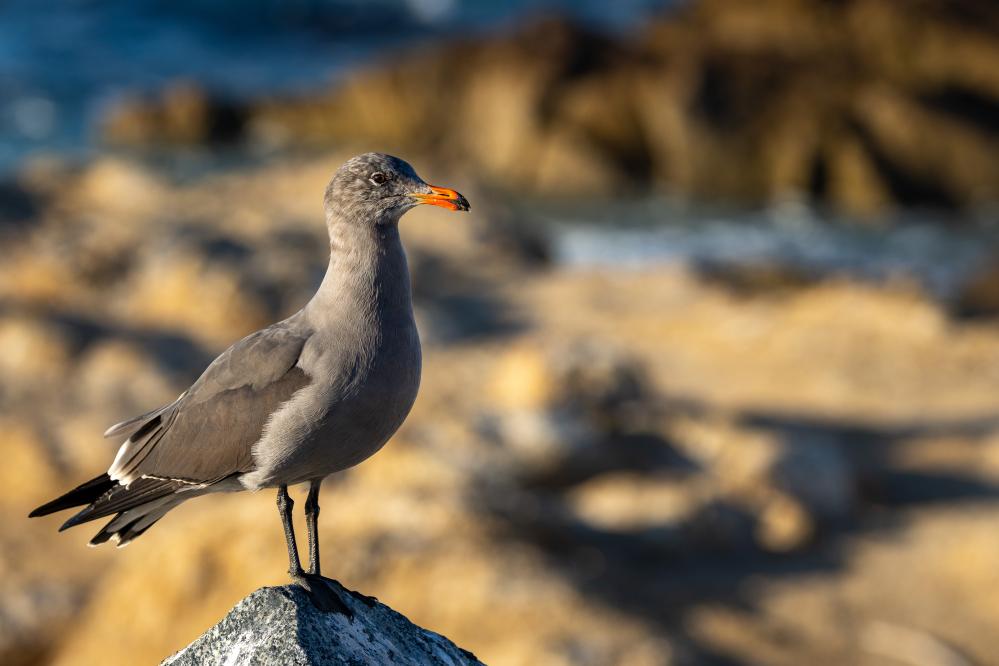
Photo by Don Blohowiak
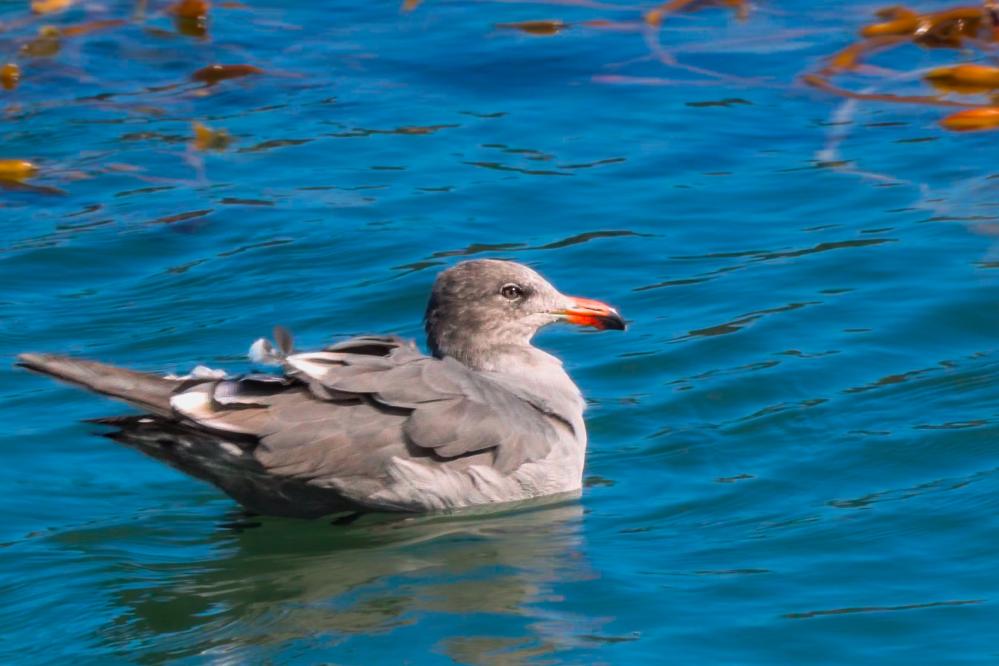
Photo by Don Blohowiak
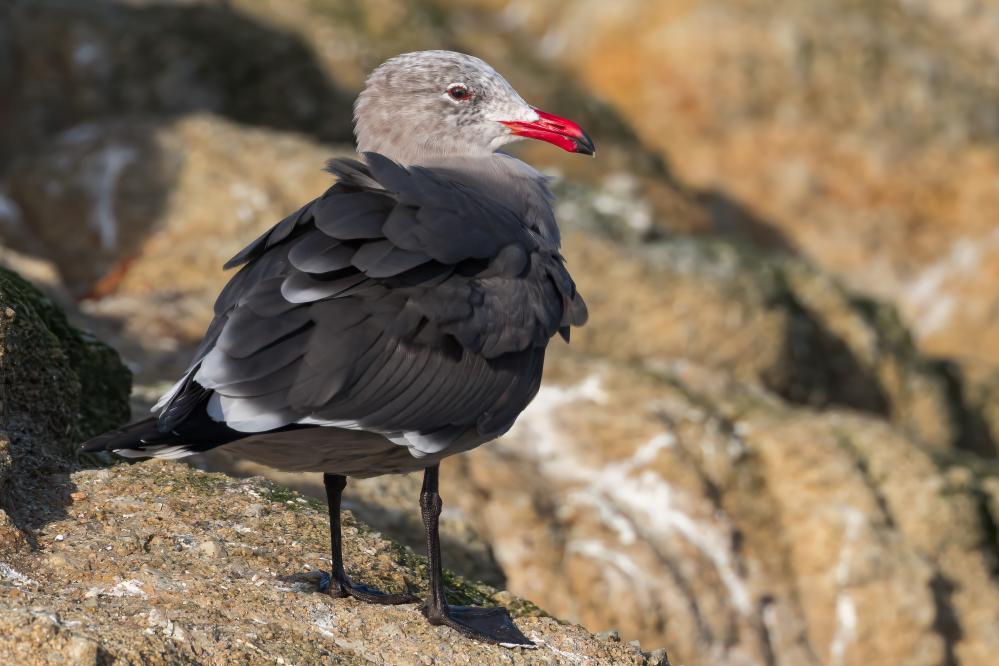
Photo by:Sara Courtneidge