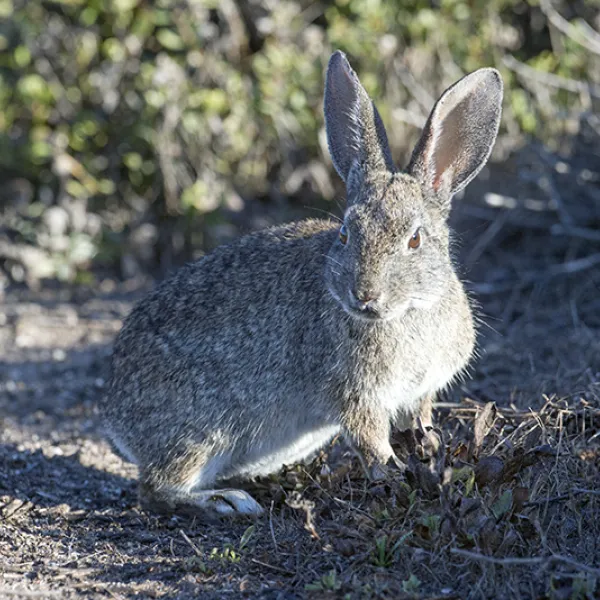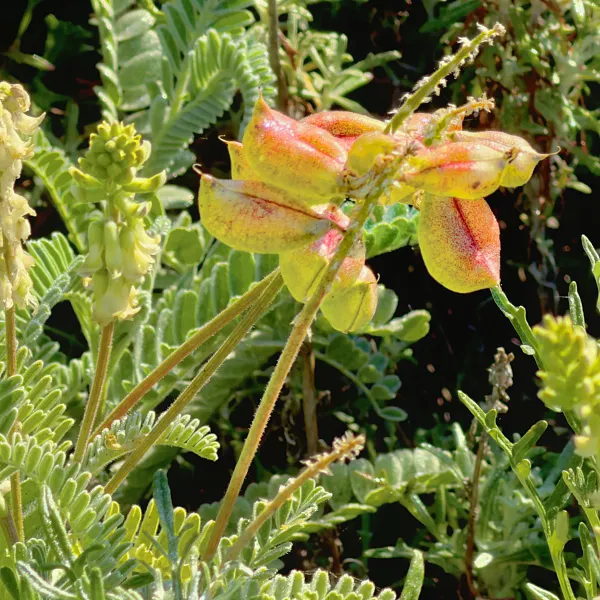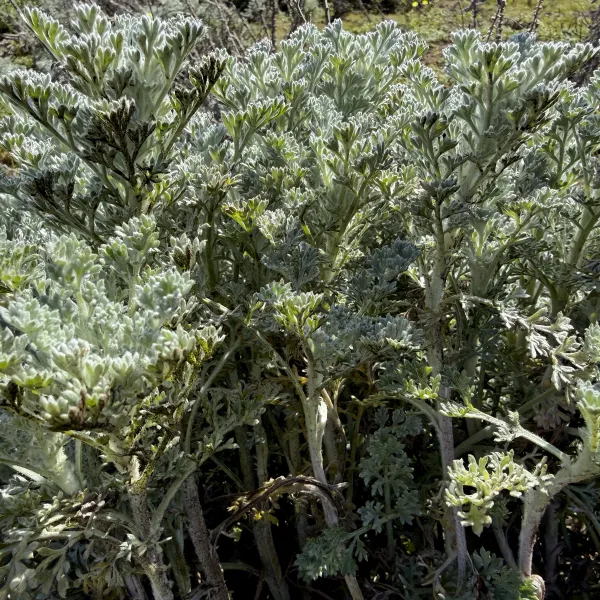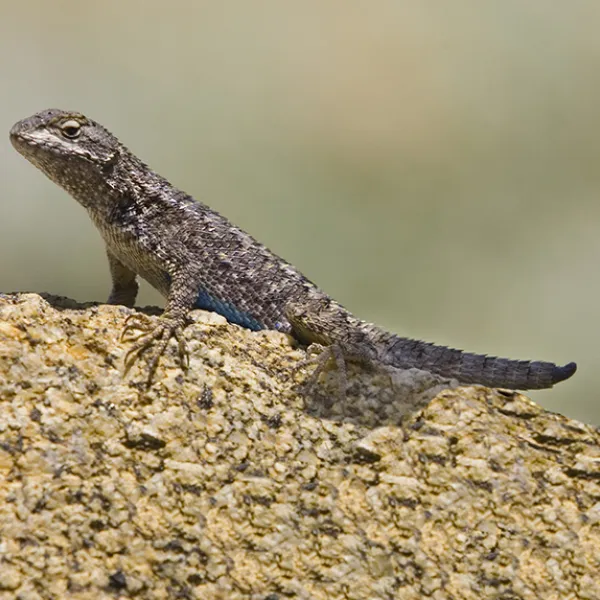
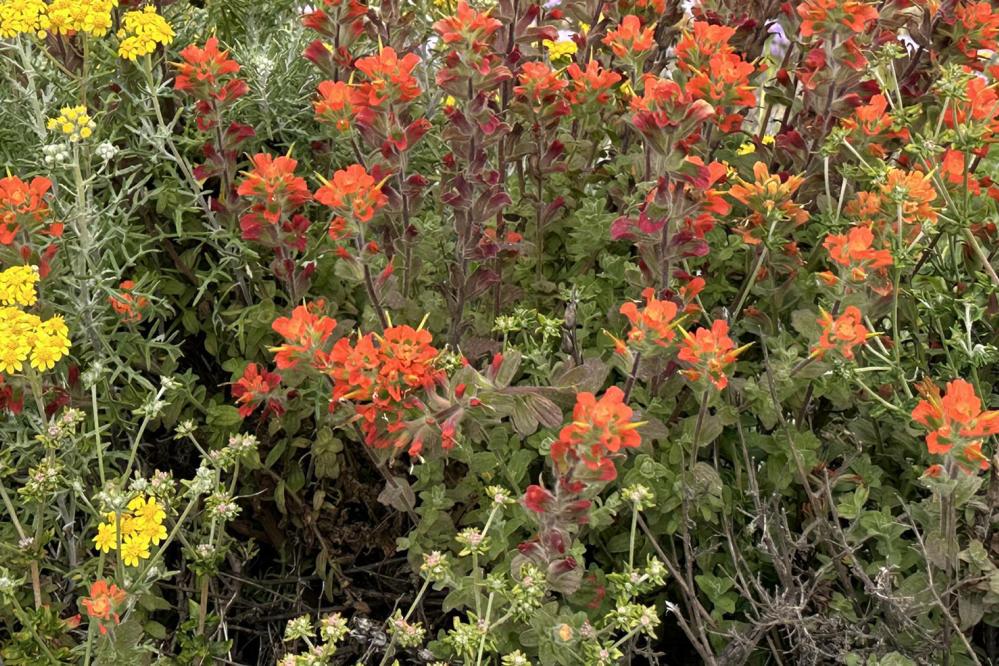
Sand Hill Trail forms, along with a section of the Sea Lion Point Trail, a loop of stunning ocean views. This trail begins under the cypress trees on the west side of the Sea Lion Point parking lot. Take the left fork and head clockwise: Walk slowly, and enjoy the many colors and forms and scents of the plants that crowd the trail. This is Northern Coastal Scrub, with its lizard tail, mock heather, and fragrant sages. You may see lizards, or a brush rabbit, or be treated to a flock of bushtits flitting through the scrub.
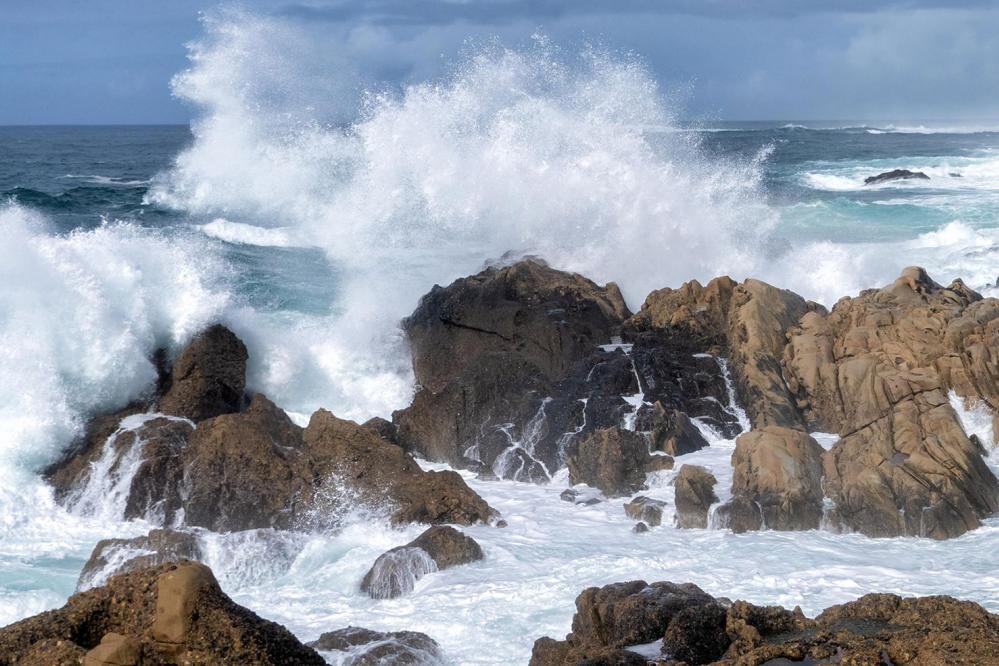
Now bear right: the first grand view is of Sand Hill Cove, and the rugged shoreline stretching away to the south. Scan the water below for sea otters, and for harbor seals hauled out on the rocks. Admire the tilted beds of sedimentary rock: this is the Carmelo Formation. Read all about the fascinating, unusual, and tumultuous story of these rocks by clicking the link to Geology in the main menu.
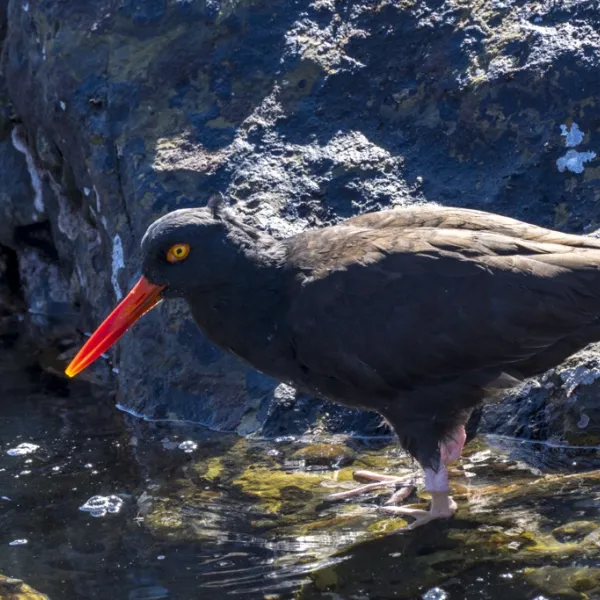
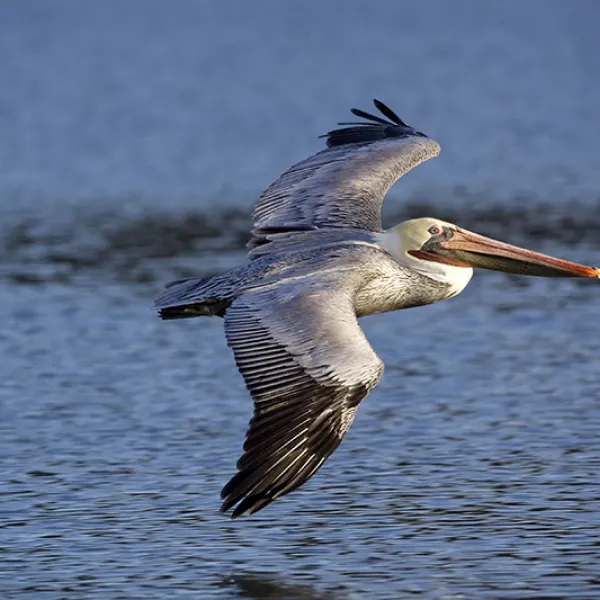
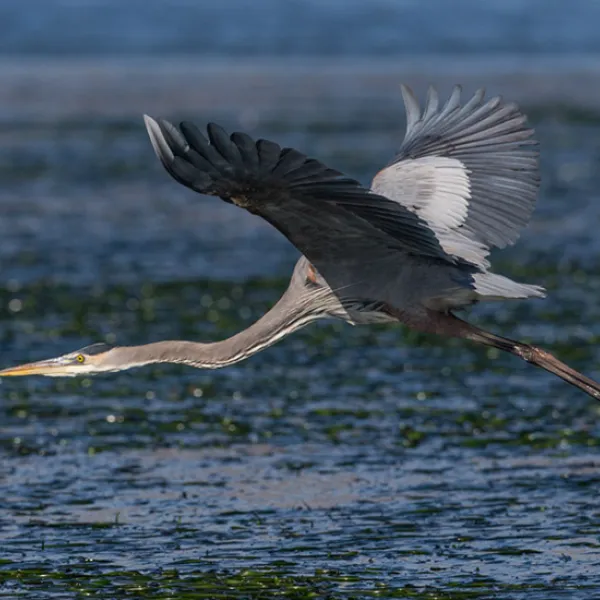
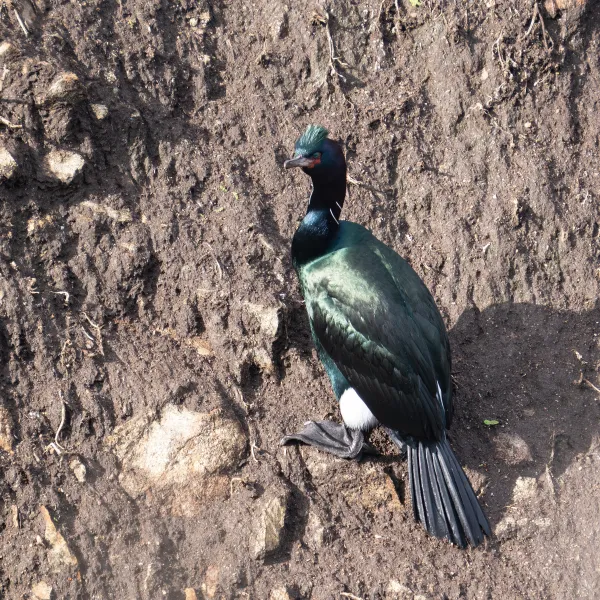
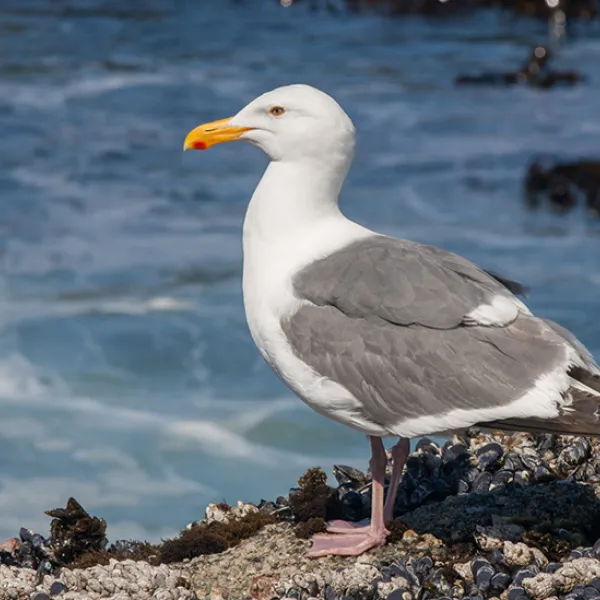
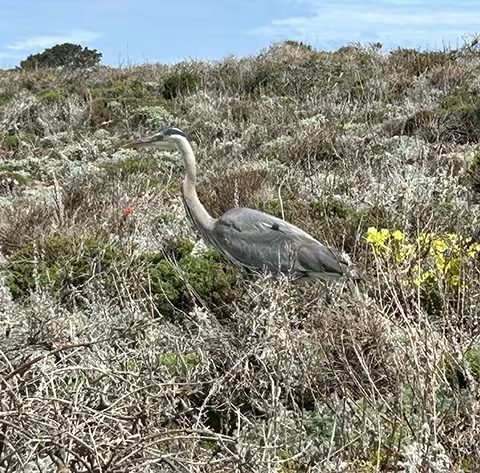
As you continue around, watch for seabirds: Western Gulls, Brandt’s and Pelagic Cormorants, Black Oystercatchers, and egrets and herons standing on the kelp. This is a favorite place to watch the majestic brown pelicans, who often glide by in single file at eye level.
As you approach the Sea Lion Point overlook, you may hear the rambunctious California sea lions barking from the offshore rocks. The overlook platform affords grand views of the majestic Pacific. This is an ideal spot to view the yearly migration of the gray whales (December through March). This spot often is staffed by a docent who is eager to show you close-up views of the animals with a spotting scope.
The loop finishes with a wonderful view of Headland Cove, and of the cypress forest on the next peninsula to the north. You are invited to have a seat on the bench, and just drink it all in. And as you do, perhaps say a silent thank you to the volunteers and State Parks professionals who helped to restore the native habitat you see around you. Just a few years back, invasive ice plant (native to South Africa) was choking out local species and causing erosion of these cliffs. With ardent hard work, those invasives were removed by hand. Then hundreds of seedlings of native plants were painstakingly planted to restore this habitat.
This 0.6 Mile ADA-compliant trail, along with the Sea Lion Point Trail, makes a loop around Sand Hill.