Coastal Prairie
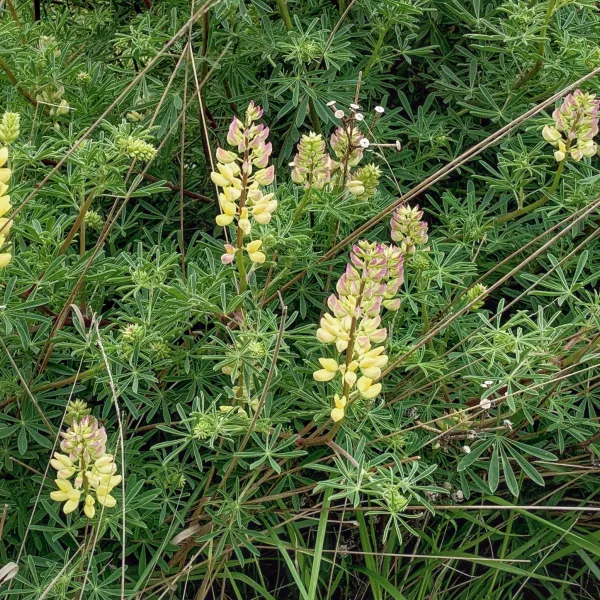
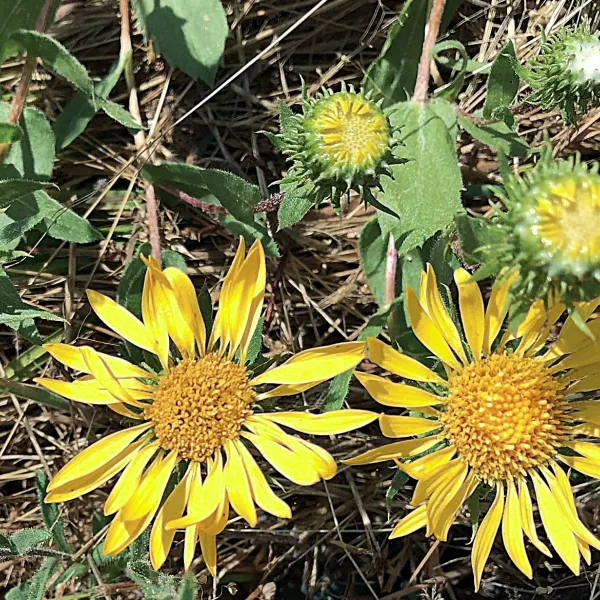
Meadows within the reserve (Hudson Meadow, Mound Meadow) are the southernmost examples of Northern Coastal Prairie, where plants consist only of grasses and very low-growing herbaceous plants.
Native Americans set fires to thin invading shrubs to improve forage for deer, making hunting easier. They also used seeds of the giant rye grass, found in Mound Meadow, for food. This grass is well adapted to fire and produces much seed following a fire.
Recent prescribed burns are attempts to restore meadows to their condition before the arrival of Spanish settlers. Native grasses, called “bunch grasses,” are perennials growing in deep-rooted clumps which survive fire and re-sprout vigorously; most introduced grasses are shallow-rooted annuals easily destroyed by fire.
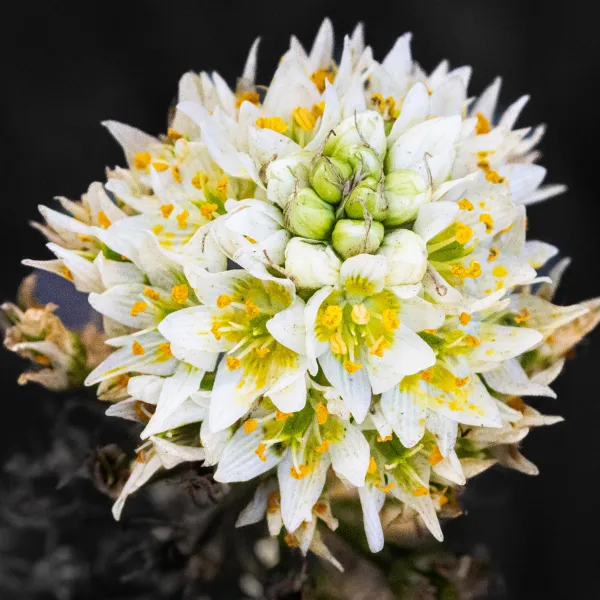
Extensive grazing has greatly degraded the native grasslands; many native grass species have been crowded out by introduced species. These forces along with fire suppression have made coastal prairies extremely rare, and the great diversity of plant life represented makes their preservation even more important.