Monterey Pine Forest
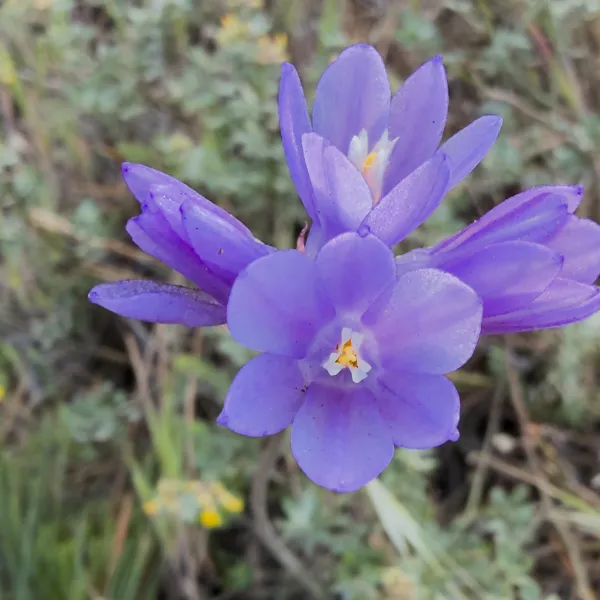
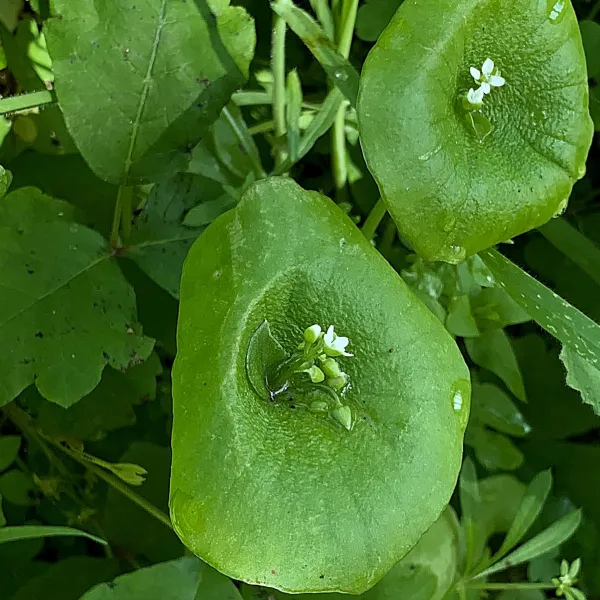
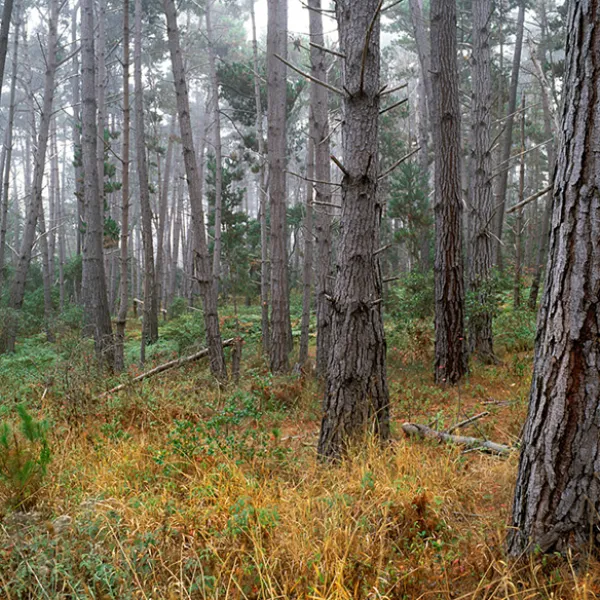
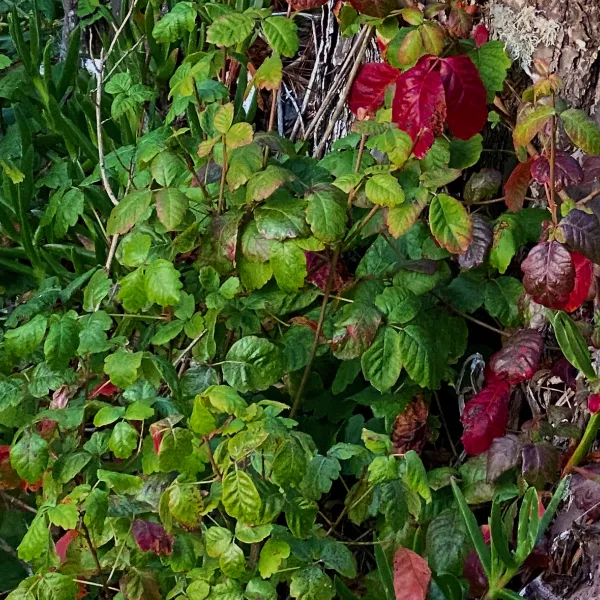
Monterey Pine Forest is an example of the classic plant community structure: tree species which dominate by their sheer size, the quantity of nutrients absorbed by their roots, and needle/leaf litter dropped; a shrub layer (e.g. Ceanothus, coffee berry, poison oak); and understory of low-growing plants (e.g. wood mint, Douglas iris.) The size of the Monterey pine and the density of the canopy limit the plants growing in association with the pines to those able to tolerate deep shade. Also, the soils are quite shallow and nutrient-poor.
Monterey Pines are shallow rooted. They can uproot and blow over in the high winds that often accompany winter storms. A walk through the pine forest will reveal many blowdowns.
Fire is an integral part of a healthy Monterey pine forest. Without periodic burns, whether started by lightning, Native Americans in the past or rangers today, the pine forest becomes a thicket of spindly trees crowding out other species. Too many nutrients are locked up in dead vegetative matter on the forest floor to support healthy plant growth. However, where a pine forest exists in proximity to human habitation, prescribed burns can be difficult to sell to the public.
Also found in this community is the coast live oak – “live” because it is an evergreen, not deciduous, tree. In the open it can reach 50 – 70 feet; within the pine forest it remains smaller. Coast live oaks live longer than pines, so without periodic fires to regenerate the pines, oaks might in time replace pines as the dominant species.
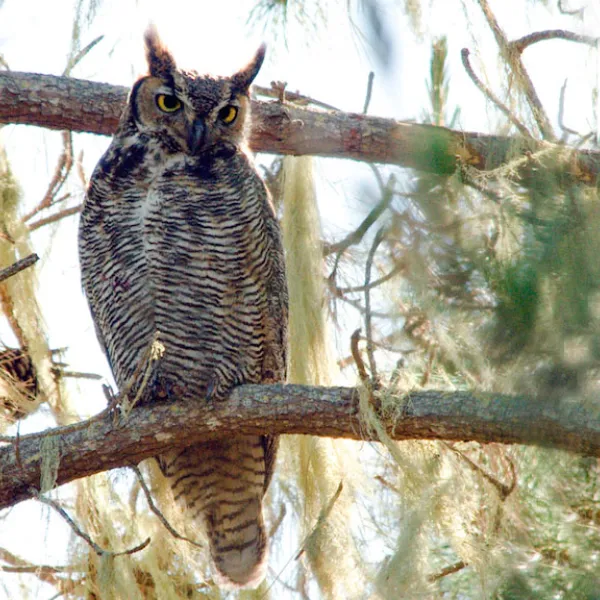
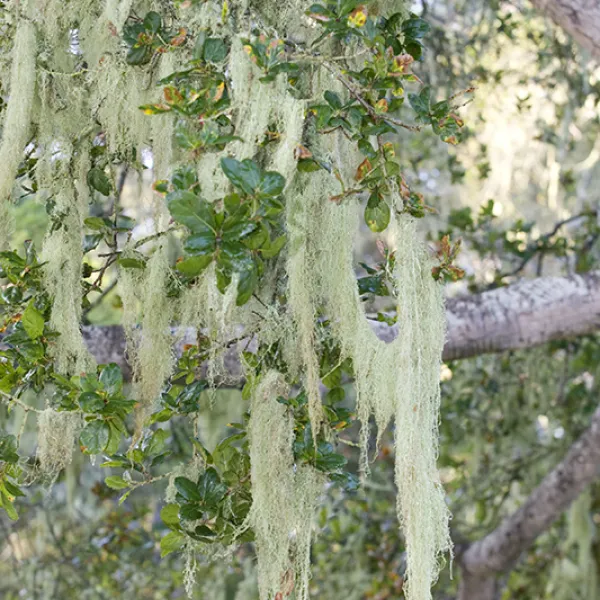
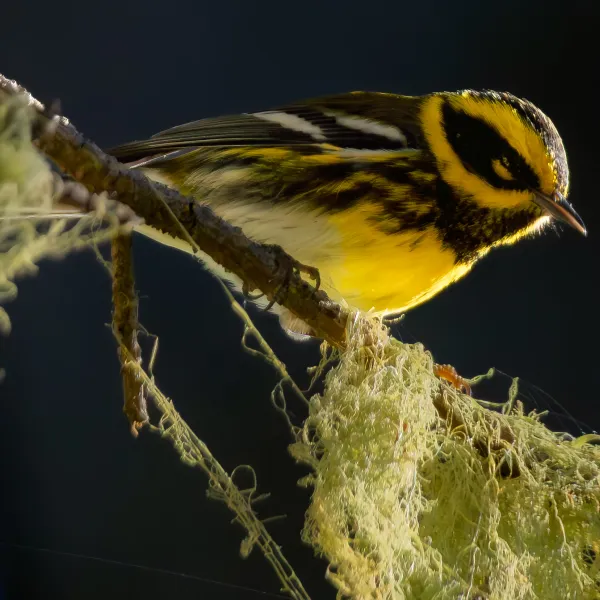
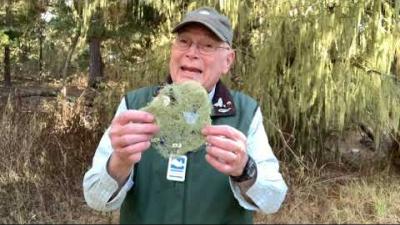
Frequently growing on both oaks and pines is lace lichen, Ramalina menziesii. It grows on tree branches, taking advantage of openings in the canopy to grow in the light. It is not parasitic on the trees.