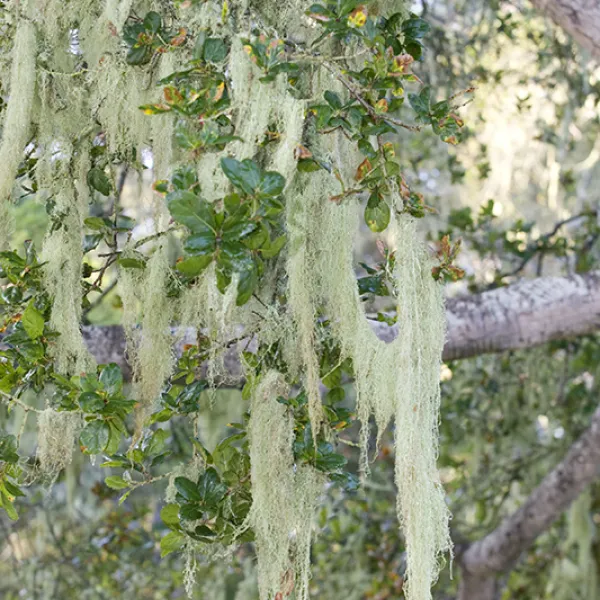
This is the most direct way for walk-ins to the Reserve to get to the south end of the Reserve, though its proximity to Highway 1 does expose the visitor to some traffic noise in places. The trail winds through Monterey Pine forest. There are scattered coast live oaks. Look for their soft, light-green new foliage in spring, and later, the acorns which were a staple food of the local native peoples.
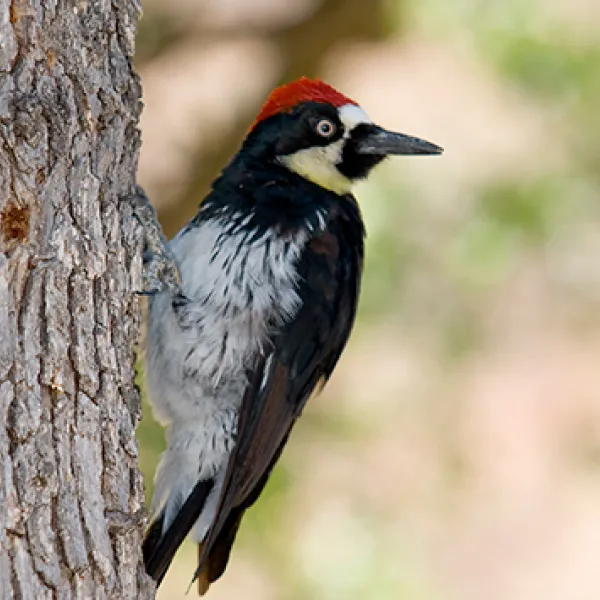
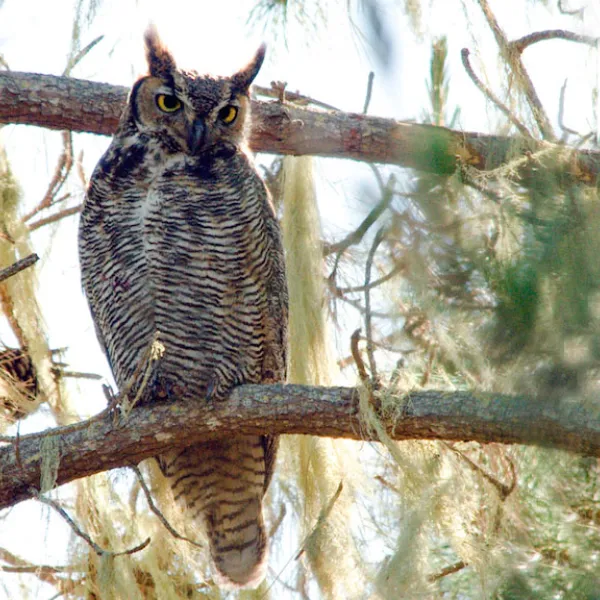
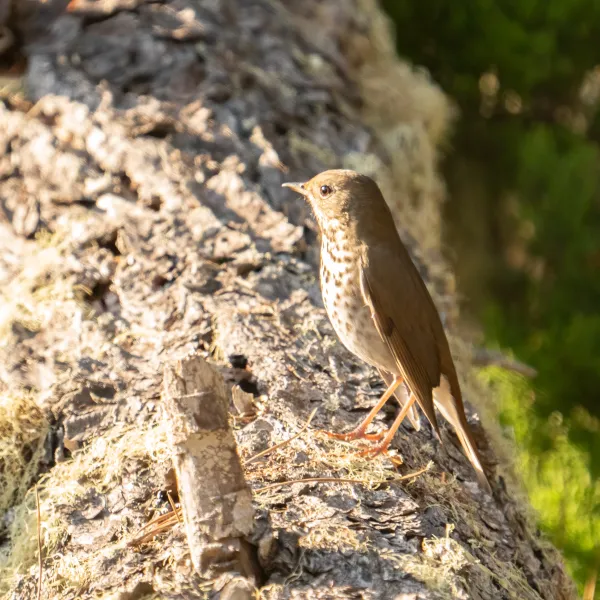
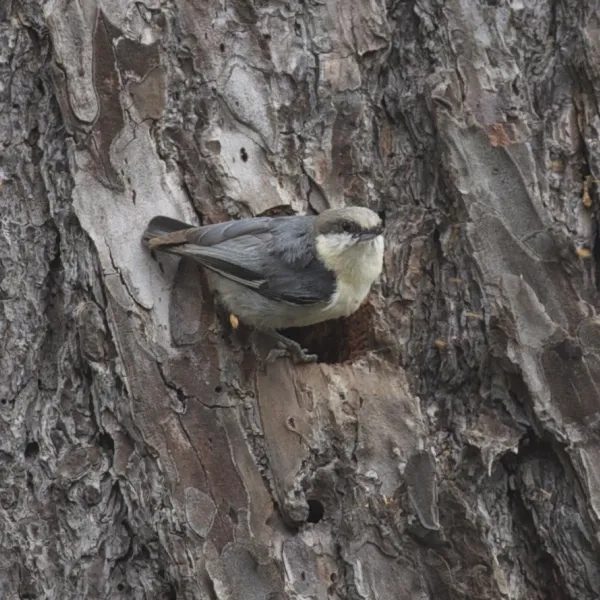
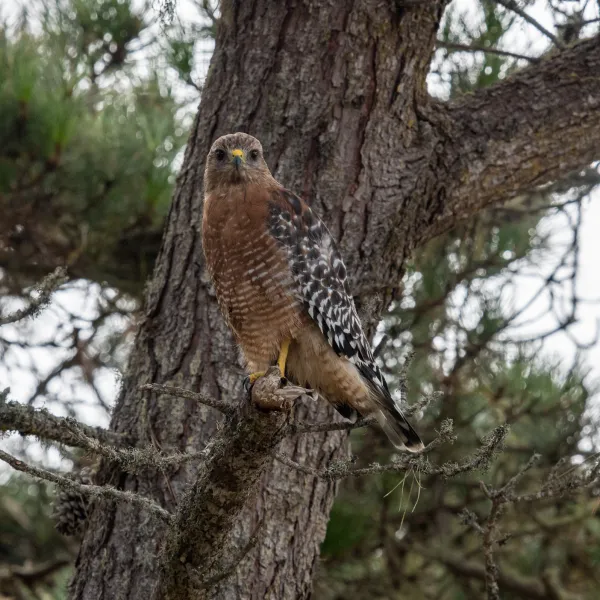
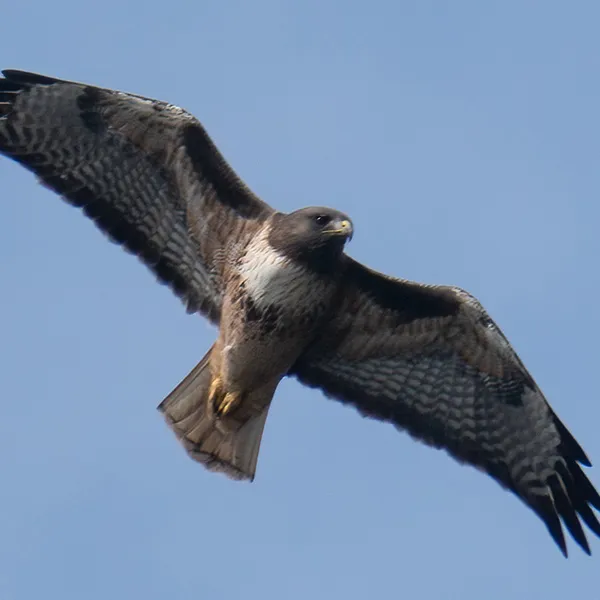
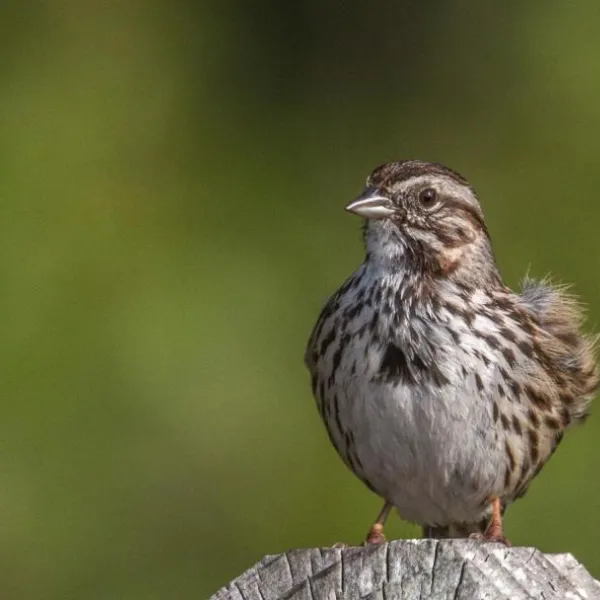
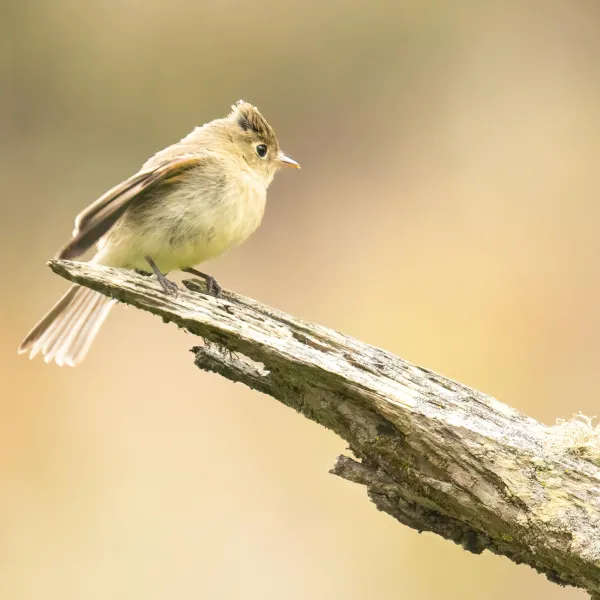
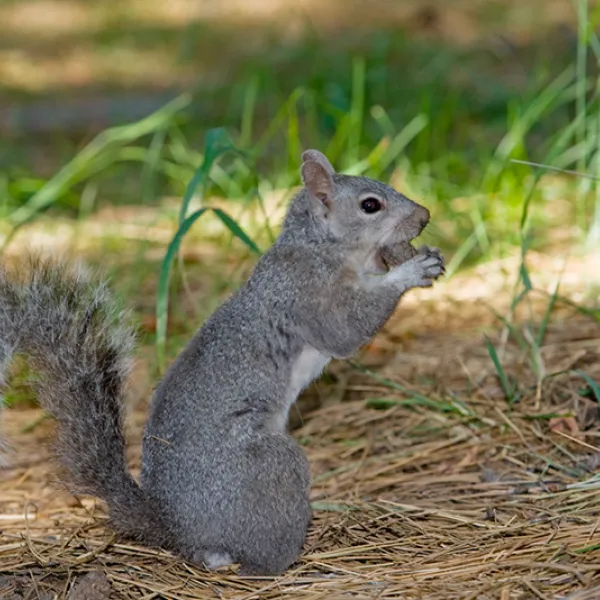
There are many birds, but they are usually high overhead, and are more often identified by their distinctive sounds than by sight. You may hear – or see – Brown Creepers, Downy Woodpeckers, Steller’s Jays, and occasionally a Red-shouldered Hawk. If you walk these woods at dusk, perhaps you will hear a Great-horned or other owl.
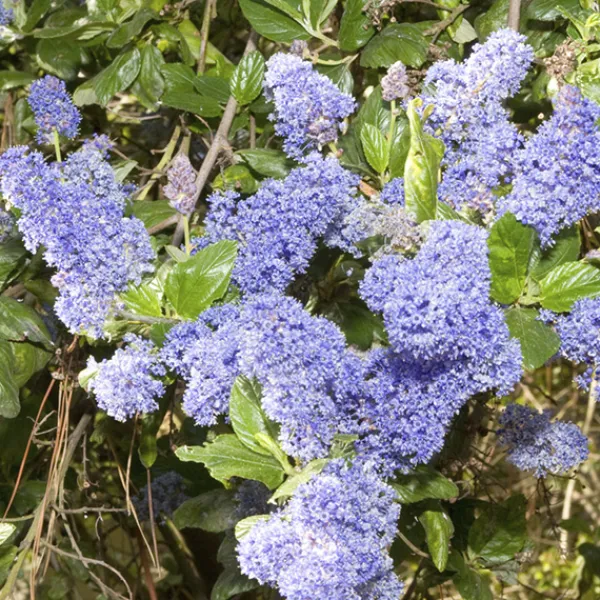
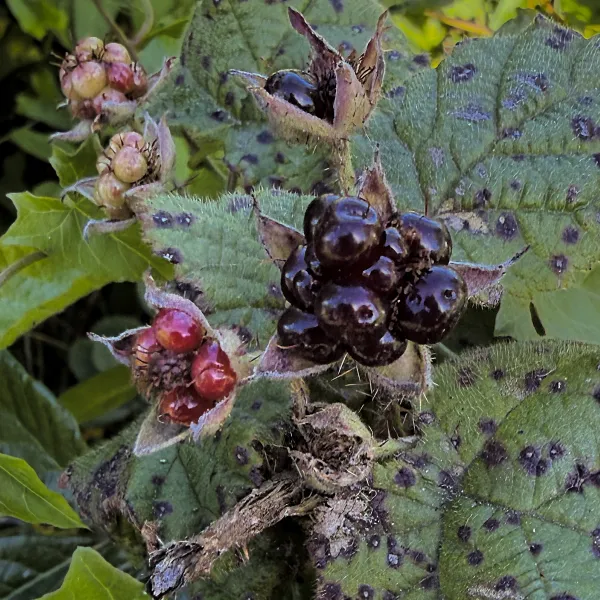
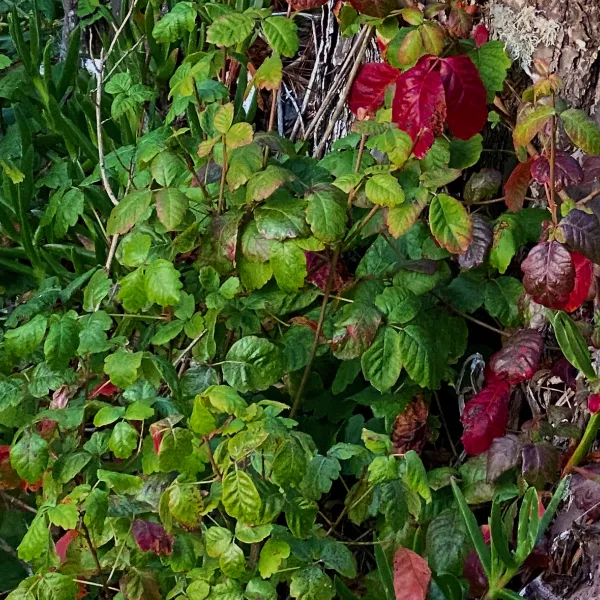
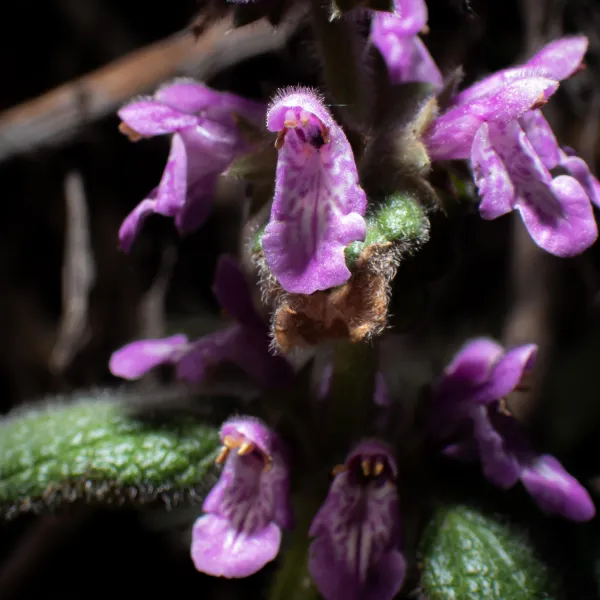
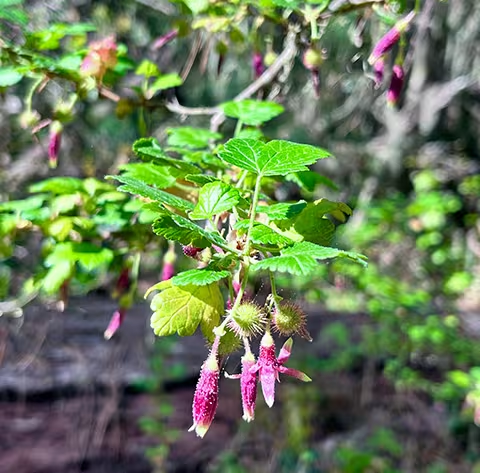
Plant life abounds. Look for flowering currants, wild honeysuckle, and coffeeberry. The elegant Douglas Iris graces these woods in spring – get down close, and examine the delicately patterned petals.
This trail is somewhat hilly and has uneven surfaces. Those with limited mobility walking to the southern end of the Reserve may prefer the Mound Meadow Trail.