Coralline Algae

Scientific Name:
Corallinaceae
Description

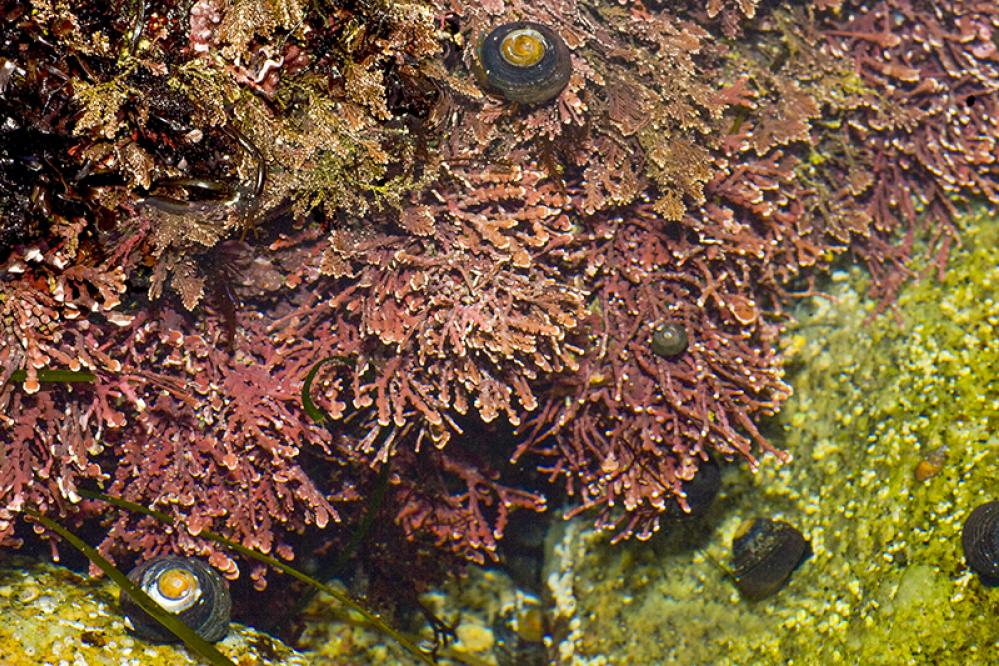
Upright-growing red alga with branches that bend in the current. Grows up to 20.3 cm (8 inches) tall.  You can find Coralline Algae growing in two forms at Point Lobos: They exist as either crustose (flat, crust-like) or articulated (upright, branched, and flexible with non-calcified joints to withstand currents).

Behaviors

Coralline Algae deposit limestone in their cells and are rough like coral—too tough for most other tide pool organisms to eat.


Fun Facts

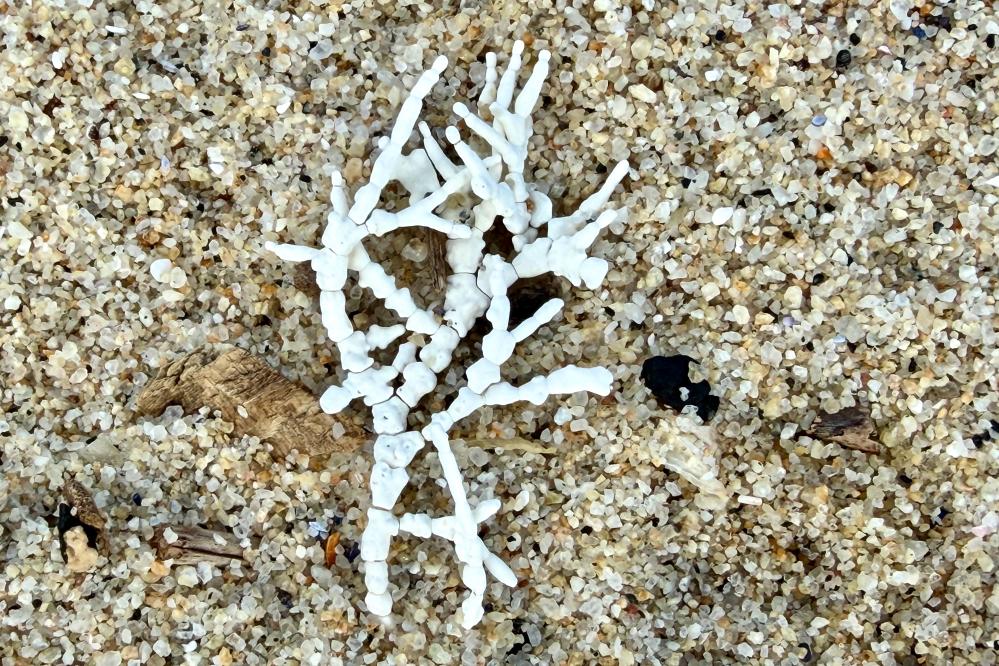
When the tides washes Coralline Alga onto the shore, the sun dries it and the alga turns white. The sun-bleached limestone branches look like coral (which actually is an animal). This resemblance to coral is what gives Coralline Algae its name. 

Coralline Alga grows very slowly—less than 2.5 cm (1 in) a year. 
Further Reading

Algae are found in many forms, from the huge, fast-growing microalgae like giant kelp and bull kelp in the ocean to microscopic algae floating free in the water. Both photosynthesize to produce oxygen and sugars. Giant kelp grow from a “holdfast” that has attached itself to rocks on the bottom and are pulled to the surface by gas bladders that provide buoyancy. One form of algae elicits many questions from visitors who mistakenly identify it as a fungus and assume (possibly due to its rusty-red color) that it is killing the trees on the Cypress Grove trail. Not so. It is really algae that migrated to Point Lobos as tiny spores, named Trentepohlia. It grows very few places on earth and only on the northern edge of Point Lobos. Since it only thrives in pristine air, be sure to fill your lungs when you are there. Ask any docent where to find it.

Coralline Algae relies on