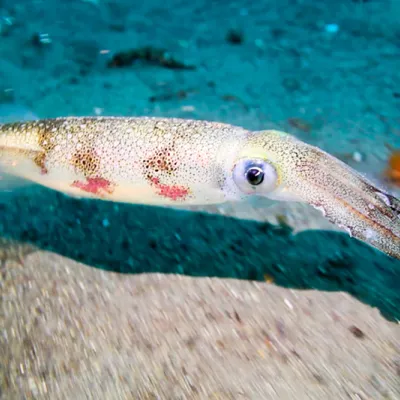
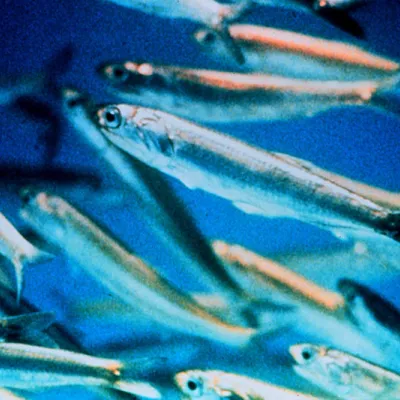
Seeing dolphins in the surf at Point Lobos is very exciting. These animals may travel alone or in groups. Dolphins are highly intelligent marine mammals and are very playful and fun to watch. They are part of a family of toothed whales that includes orcas, sperm whales and pilot whales. Dolphins are carnivores, mostly eating fish and squid.
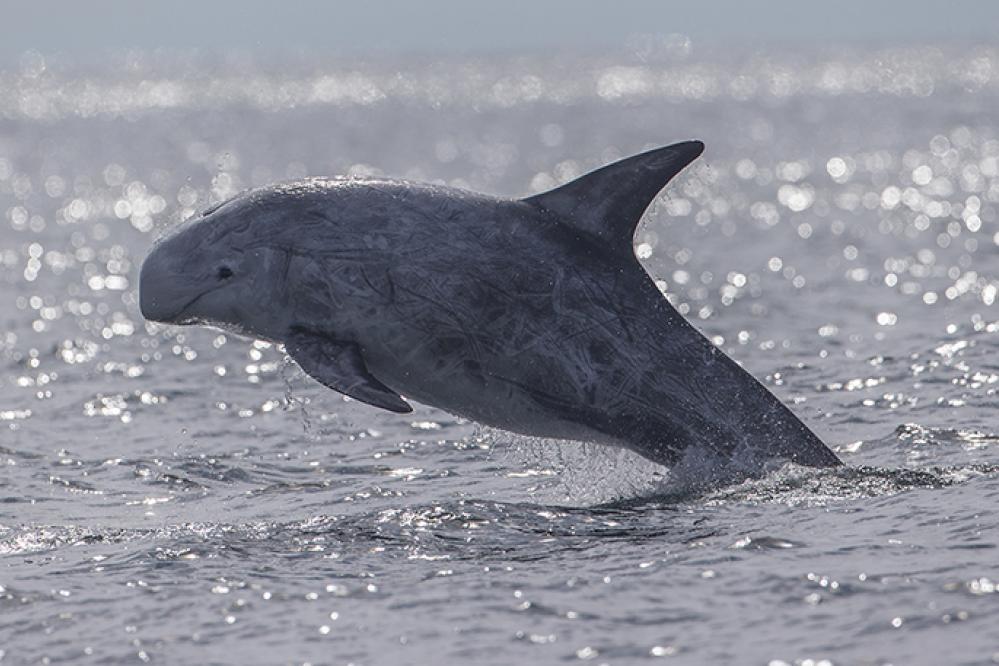
Dolphin coloration varies, but they are generally gray in color and have darker backs than the rest of their bodies. Although it is difficult to identify the species unless you have binoculars and know the different markings, there are a few signs you can look for. Several species of dolphins visit the coast of California and the Monterey Bay Sanctuary. The most common are the Pacific white-sided dolphins (Lagenorhynchus obliquidens) and the Risso’s dolphins (Grampus griseus). Risso’s can be distinguished by their blunt snouts and the amount of scarring on their bodies caused by fighting with other Risso’s dolphis and with squid, their main food source. They are quite active and love to breach and tail slap. The Pacific White-sided Dolphin is found year-round but is most abundant during warmer water regimes in fall & winter. It ranges in the north Pacific from southeastern Alaska to Baja California. Sometimes these dolphins put on a truly impressive performance of leaps and aerial flips. They have been known to also swim in formation with other dolphins and sea lions, sometimes leaping from the water in spirited somersaults.
Other dolphins seen in the Monterey Bay include the long-beaked common dolphin (Lagenorhynchus obliquidens), a fast and energetic dolphin commonly seen breaching and somersaulting, the bottlenose dolphin (Tursiops truncatus) travelling just outside the breakers along sandy beaches, and the Dall’s porpoise (Phocoenoides dalli) that sometimes produces a “rooster tail” of water spray that is unique to this species.
The largest dolphin species is the orca (Orcinus orca), or killer whale. A typical killer whale distinctively bears a black back, white chest and sides, and a white patch above and behind the eye. Calves are born with a yellowish or orange tint, which fades to white. It has a heavy and robust body with a large dorsal fin up to 6 feet tall in the males. Behind the fin, it has a dark grey “saddle patch” across the back. When seen from a distance, juveniles can be confused with other cetacean species, like the Risso’s dolphin. Male orcas grow to about 25 feet in length.